 |
submitted by /u/Botmywork [link] [comments] |
Category: Chat
-
Benefits of using Facebook Messenger ads
-
7 Advanced Chatbot Features To Consider in 2021
Check out the latest Advanced Chatbot Features to consider in 2021
- Augmented reality and chatbots
- Sentiment analysis and emotional intelligence
- Text-to-speech and speech-to-text
- Agent assistant capabilities
- Human-in-the-loop feedback system
- Integration with RPA for end-to-end automation
- Conversational maturity
Learn more in detail here: https://botcore.ai/blog/chatbot-features-2021/
submitted by /u/Sri_Chaitanya
[link] [comments] -
Ultimate Guide: Running A Successful Chatbot Development Project
If you want your business to succeed, you will constantly need to swing along with the newest trends. On that note, chatbots are among the most famous marketing tools in the industry today, helping build good communication between business and their customers.
Chatbots are very useful if you’re looking to enhance your customer’s experience by solving their queries, decreasing human workload, remote troubleshooting, etc.
What Is A Chatbot?
Chatbots can be simply defined as marketing and automation tools that are designed to interact with people and perform human-like conversation to assist them. These bots may use Natural Language Processing (NLP) or/and audio analysis techniques to communicate, making it sound more humanoid.
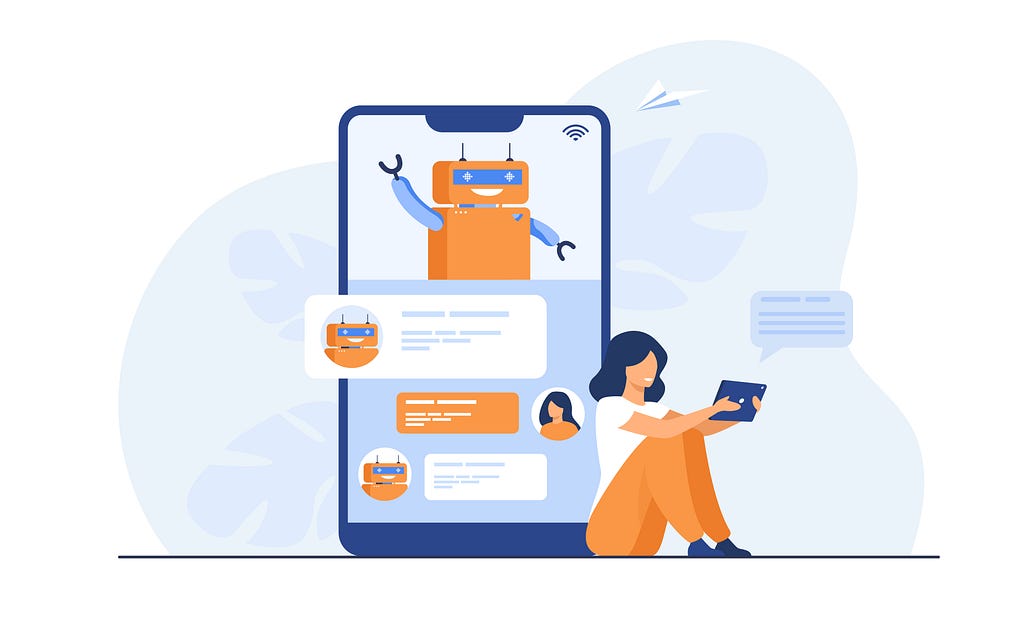
www.freepik.com Entrepreneurs and organizations highly recommend AI-Chatbots in their business. Such tools continuously learn about customers’ interactions, behaviour, thought process, etc from their previous conversations. Ultimately, makes them smart enough to handle complex future discussions and queries without needing human assistance.
However, using a chatbot that will help you in your business is not that easy. Chatbot development is a much complex process and needs to be planned smartly post implementation.
Here, I have a complete guide that includes practices that can help you with chatbot development projects for your business.

Best Practices While Developing Chatbots For Your Business
You will need to understand and figure out what exactly you want from your chatbots and what difficulties you may face while training them before you can proceed.
Set Goals & Assign Roles
The very first thing you will need to identify is why you need a chatbot? For example, you may need a chatbot to get more conversions from your online store or you may need it to send important notices to your users that lands on your website, etc.
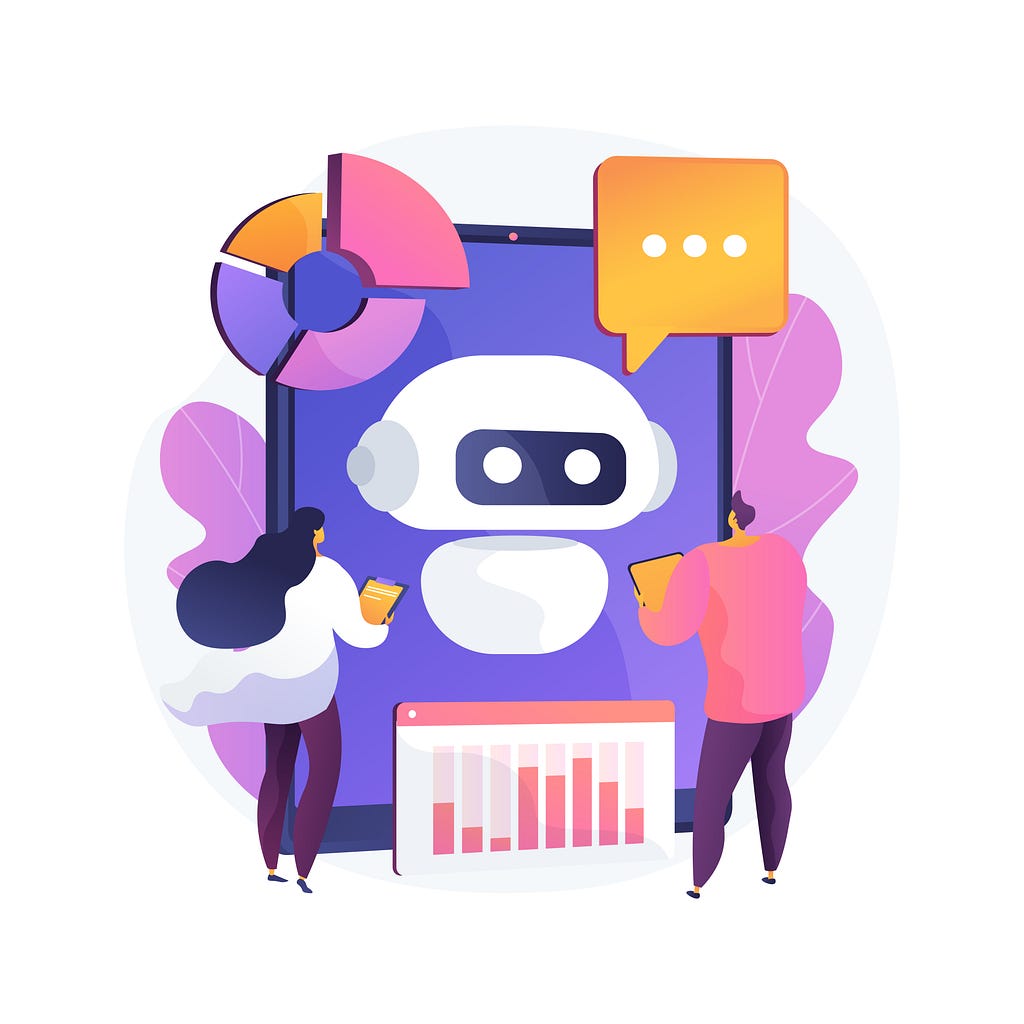
www.freepik.com Once you find your answer, you would have a clarity in your mind before getting started with the development. You would understand by then; what would be its role in your business.
Understand Your Customers
Knowing your customer becomes a crucial role while developing chatbots for your business. The more you know about your customers, the more reliable your bots will be. You will need to understand the traffic background that will drive into your website and the questions they might ask.
You can get an idea about your customers from previous conversations and set your bots to respond to their queries quickly.
Designing A Conversational UI
While developing your chatbot project for business, you will need to create a content model for the conversational flow. For the same, using a gantt chart maker could be a great help, it can help you organize your conversational design model effortlessly. Humans can ask the same question with different tones. Hence, your bot should be smart enough to answer them wisely. Creating and implementing right content models can help give right answers to the customers to most queries.
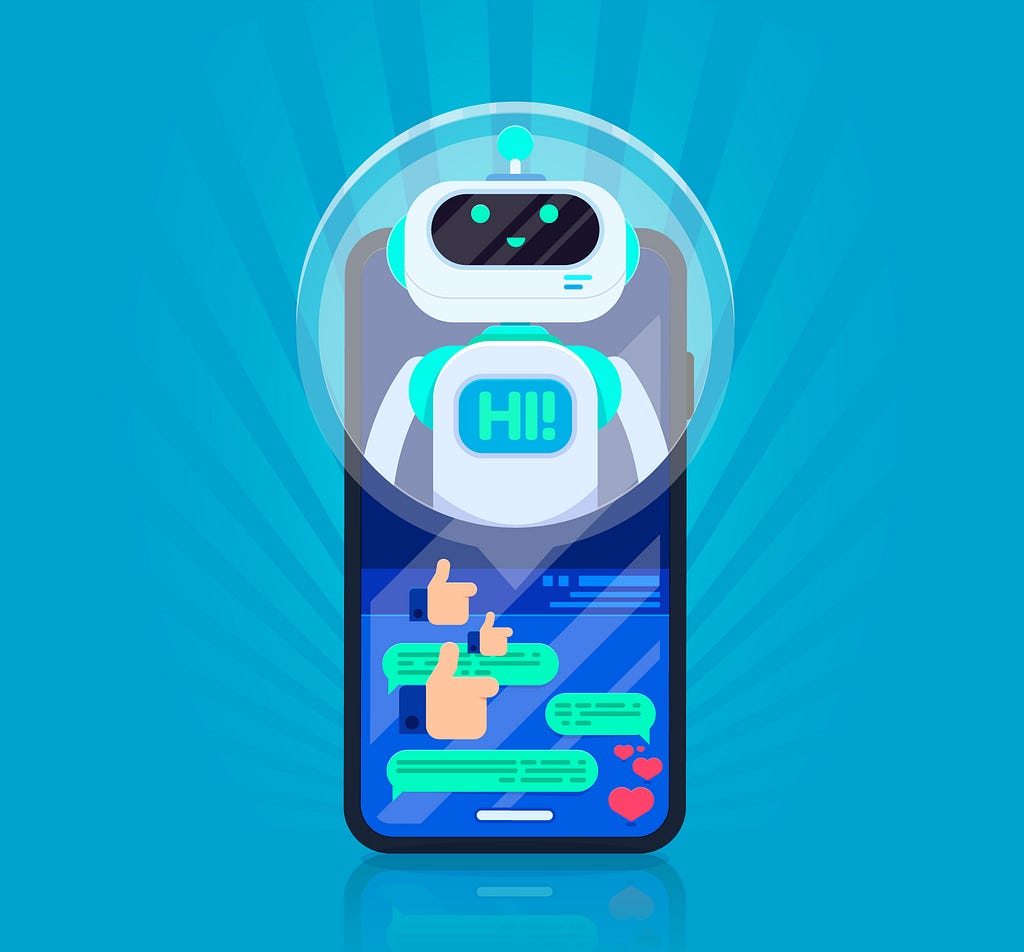
www.freepik.com A Conversational User Interface helps the user to speak to the bot and tell them what they want and lets the bots understand the customers they are referring to. It gives them the freedom to understand the tone or way the customer conveys their queries, rather than sticking to word based training.
Recording Previous Conversations
References help a lot while creating content. Similarly, the reference does play a key role in training your bot. You can record the previous conversations or interactions and work as references for training your AI-based bot.
If you don’t have any such interactions, you can pick up people from the same region or same linguistic background to help your bots get a more precise and realistic response.
Hence, collecting old chat data or interactions with your customers becomes important while developing a Chatbot for your business.
Trending Bot Articles:
1. How Chatbots and Email Marketing Integration Can Help Your Business
Right Development Approach
Identifying words and understanding the question’s intent always becomes important as different bots have different approaches to tackle customers. The chatbots use two methods to cross these hurdles — Responses based on the rule and Machine Learning.
The chatbot uses machine learning while responding to complex questions about what they’ve learned from previous chats and conversations. These answers are much realistic and intelligent, as the chatbot knows the customer of earlier interactions.
If there’s no chat history, the rule-based response comes into action, where the chatbot responds with answers related to the identified keywords.
Testing
Final testing is important before the implementation of chatbots. Continuous revision of components like NLU(Natural Language Understanding) must be reviewed and checked to get more accurate results.
We recommend appointing a team that will continuously test the chatbots and make improvements to make your bots more interactive.
You can also ask for feedback from your users and insight into how your bots are doing. This feedback also helps in improving your bots time-to-time.
Wrapping Up
The world is very fast in the current generation. People need quick responses to their queries rather than sending an email or message and waiting for their replies. In such scenarios, chatbots have come out very effective, as they provide quick responses 24*7 and even help you save your time engaging with your customers.
Furthermore, if you have any doubts regarding the above topic, please let us know in the comment section below!
Don’t forget to give us your 👏 !

Ultimate Guide: Running A Successful Chatbot Development Project was originally published in Chatbots Life on Medium, where people are continuing the conversation by highlighting and responding to this story.
-
Conversational AI Reduces Friction In The User Experience

Conversational AI These days’ enterprises started to realize the importance of the user experience, and now it became a boardroom conversation.
The reason is, the enterprises offering outstanding customer experience service are reaching new heights with high ROI.
Based on research, 86% of customers have clogged reaching out to other enterprises due to bad user experience.
As we are living in an on-demand world, customers’ expectations are reaching the sky level.
The reason is that modern customers have more choices to pick up.
When a company disappoints a customer with friction, the user immediately moves on to another enterprise.
“Only 49% of customer queries are solved on the first interaction” [Source: ITNext]
These days friction in the user experience became one of the bottlenecks for the enterprises. It is causing a lot for businesses in terms of revenue as well as brand value.
Plummeting friction in a customer journey life cycle is one of the primary objectives for companies now, and that is not an easy task.
Fortunately, emerging technologies like Conversational AI, Machine learning, Natural language processing, and Natural language understanding help companies not only to perk up the internal process but also to improve customer service satisfaction.
In this blog, we give you brief information on how Conversational AI is reducing friction in the user experience.
Continue reading!
First, let’s understand what is meant by friction in user experience and how to spot resistance in the user journey?
Understanding Friction in user experience
I think most of you heard about the word ‘Friction’ while studying physics in school.
In Mechanics, friction is a force resisting two objects’ motion, which is sliding against each other.
The friction in user experience is defined as anything that prevents a user from completing his goal within a digital interface and provides unexpected results.
The mismatch between the expected result and outcomes of action causes frustration for the user, affecting the customer experience.
Most of the companies worry about the friction because it causes bouncing, a decline in conversations, and frustration leading to abounding their ongoing tasks.
Nowadays, frictionless user experience has become a new standard in the industry. The reason for moving on to frictionless experience/conversational interface is to simplify the user life cycle.
It is important to remember that there are two types of friction:
- Good
- Bad
How to identify friction?
It is good to find out friction points before we remove them.
You can find friction in various stages of the user journey on a website. We summarized some of them as:
- Long waiting times
- Poor navigation
- Inconsistent experience across multiple channels
- Cluttered or distracting interfaces
- Unnecessary actions
- Slow resolution of customer queries
Whatever it may be, friction will drag down your user at every micro-moment.
You may get a doubt that, how can I find out whether there is friction in my user experience or not?
If you are finding below three things in your conversational platforms, make sure there is friction.
- Continual rapid clicks.
- Prolonged inactivity between two actions
- Drop-in conversational rate
Trending Bot Articles:
1. How Chatbots and Email Marketing Integration Can Help Your Business
How Conversational AI reduces friction in user experience?
Each interruption in the customer’s experience, trying to fetch information or make a purchase creates friction.
Conversational AI helps resolve these issues by offering customers to ask for precisely what they require using their natural language.
“80% of customers feel the user experience provided by a business is as crucial as its goods/services.”
Conversational AI capabilities allow these applications to do more than filling up forms, book appointments, or any similar task.
With Conversational Chatbots, customers can now complete their complex digital tasks easier and faster with ease than before.
Now, let’s see different ways a Chatbot increases the customer experience.
Minimizes the number of steps required to finish a task
A customer feels frustrated when he/she goes through a series of steps while purchasing a product. Because of this, the enterprise may lose its valuable customer.
This issue can be resolved by opting for Conversational AI, and we can decrease the number of steps involved in the process, thus reducing friction.
Currently, Amazon offers a ‘Buy now with 1-click’ solution to its users to decrease the friction while purchasing their products. It is a game-changer for the company and in the eCommerce industry.
Zero waiting time
Customers get aggravated when they have to wait for hours to resolve their simple queries.
With the use of automated Live Chat Assistants, Voice Assistants, and Virtual Assistants, the customer can resolve their issues without waiting for a customer support person in the contact center.
With the evolution of Conversational AI, the assistants can analyze the customer issue and deliver a response that meets customer needs.
If you observe, many companies are integrating AI Chatbots for websites to offer an excellent human conversational experience with no friction.
A smoother navigation
A lot can happen with navigation, and it can be a source of friction. With the use of traditional methods, it is impossible to offer a one size fit for all solution.
But, with the help of Conversational AI, we can remove friction in the user experience. The automated assistants will learn from previous user navigations.
It also helps in knowing how users categorize and access the content in your site, mobile app, and social media channels.
By offering smooth navigation for the customer, there will be sharp drop-in shopping cart abandonment rates.
Delivering personalized customer experience
Currently, customers are expecting more personalized service rather than generalized, and they are hoping you to learn more about them to provide offers that are required.
Now, AI Conversational Assistants became part of enterprises marketing strategies to provide a personalized experience and offers to the customers.
Personalization helps to bring customers back to the site and to re-engage them with the brand.
Conclusion
Conversational AI is creating new waves in the user experience and delivering frictionless user experience for the customers.
If we can use Conversational AI Applications properly, we can empower brands to provide immediacy, personal touch, and convenience that customers always expect.
So, enterprises facing issues with the friction in user experience need to wake up and respond as soon as possible to stay ahead in the competitive world.
If you are looking out for the best Conversational AI solution provider to eliminate friction from your user journey, contact us.
Our technical team will help you in providing the right solution.
Stay with us! For more exciting updates.
Don’t forget to give us your 👏 !
Conversational AI Reduces Friction In The User Experience was originally published in Chatbots Life on Medium, where people are continuing the conversation by highlighting and responding to this story.
-
Dialogflow Tutorial: Increase webhook timeout limit of 5 seconds using Python
In Dialogflow you can create agent responses in two ways first ‘static’ response by adding details in the console itself for the basic functionality and second is a dynamic response by managing Fulfillment through the web service called the webhook service. You can create a more complex and flexible conversation flow by webhook service.
For Dialogflow, the webhook service needs to accept JSON requests and return JSON response as per specified guidelines by Dialogflow.
What is the Webhook Deadline?
In the Dialogflow documentation, there are some limitations given to send your webhook response.
- The response must occur within 10 seconds for Google Assistant applications.
- The response must occur within 5 seconds for other applications.
- The response must be less than or equal to 64 KiB in size.
If the above limitations are not fulfilled then the webhook request will time out and give the error: “Webhook call failed. Error: DEADLINE_EXCEEDED”, which you can see in Fulfillment status.
How can we extend the webhook deadline?
As per Dialogflow guidelines given for the “custom event” which can be invoked for time alert during in conversation. This event could help to trigger an intent that alerts the end-user. We are using the concept of the “custom event” for time alert to extend the webhook deadline.
By creating “custom event” we are managing time such that it cannot increase the given guideline “time limitation” for the webhook response (Technically we have 5 seconds time limits per intent to manage the timing). For that, we need to set up the webhook response for “followupEventInput”( Click here to check the “followupEventInput” JSON response). When “followupEventInput” is set for the webhook response, Dialogflow ignores all other fields of response as given in Dialogflow documentation.
Here we extend time up to 10 seconds by creating a chain of two “followupEventInput” for the welcome intent. Follow the below instruction to implement it.
Install Virtual Environment by using below command:
sudo apt install virtualenv
Create and Activate Virtual environment:
- Run below command to create a virtual environment.
virtualenv followup_env --python=python3
- Activate it by using the below command.
source followup_env/bin/activate
Install Libraries:
- Install flask module using below command:
pip install Flask
- Install Datetime library
pip install DateTime
You can find the code snippet for extending the webhook deadline in this GitHub repository: extend-dialogflow-webhook-deadline-time
Basically, in the code, we are creating a chain of two “followupEventInput” for “welcome intent” means total three intents are created one “welcome intent” and two intents for the “followupEventinput”. From the last intent, we have got the webhook response if it accurately works.
Trending Bot Articles:
1. How Chatbots and Email Marketing Integration Can Help Your Business
We are making one condition by comparing the current time with the extended time of 3 seconds for generating a normal webhook response and managing per intent calling time. And then we break this condition by adding a time delay of 3.5 seconds per intents so that “followup” event occurs for a particular intent. You can also play with the command “time.sleep()” to increase delay, but for us, it accurately works for the value of 3.5 seconds.
DialogFlow Setup:
Sign-in into Dialogflow console and create a new agent. Give the Agent name as you like. You will find the below screen for the new agent:
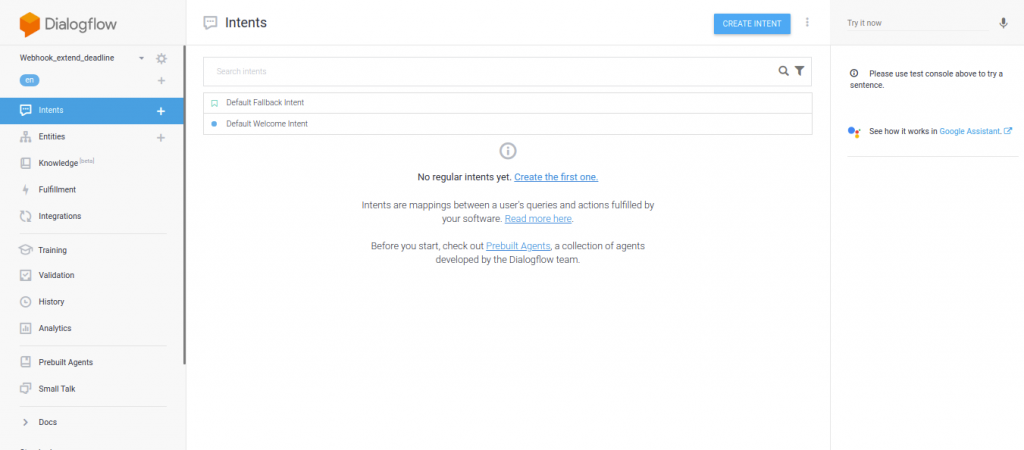
Now click on ‘Default Welcome Intent’ enable webhook response as shown in the below screenshot:
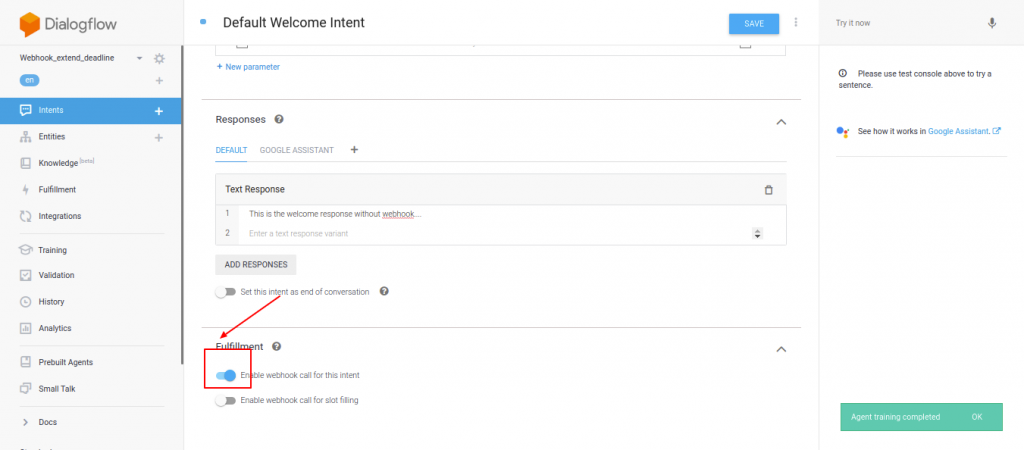
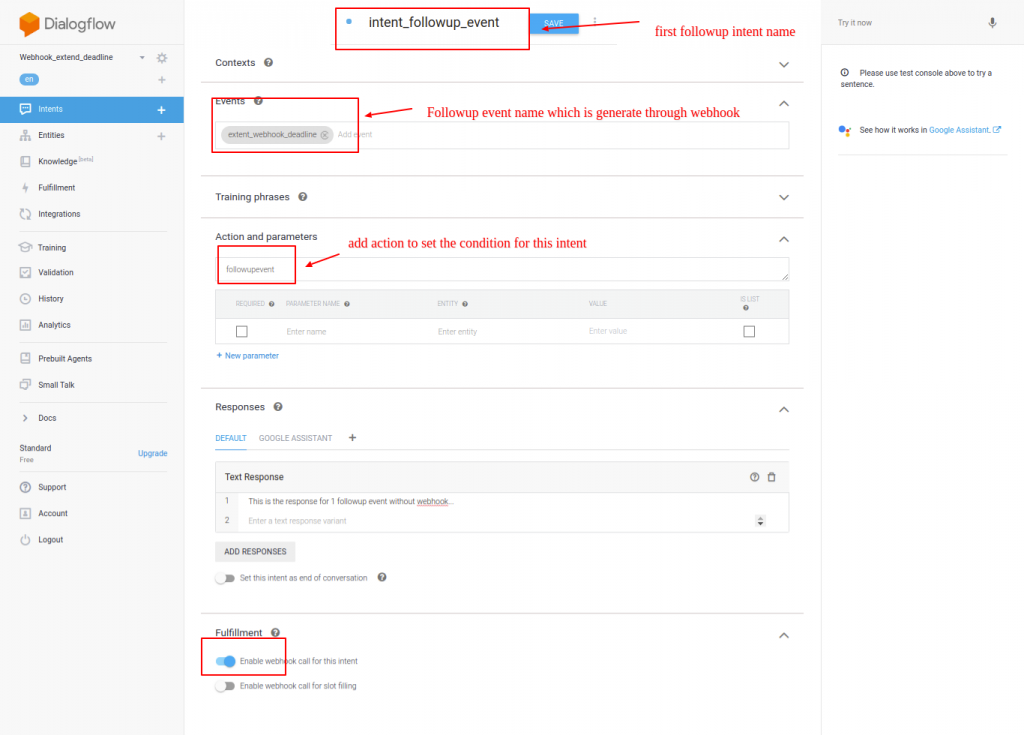
Create a first intent followup_event by filling below details. In that detail, the event name set inside the code and Action and parameters value we are using in code for making the condition.
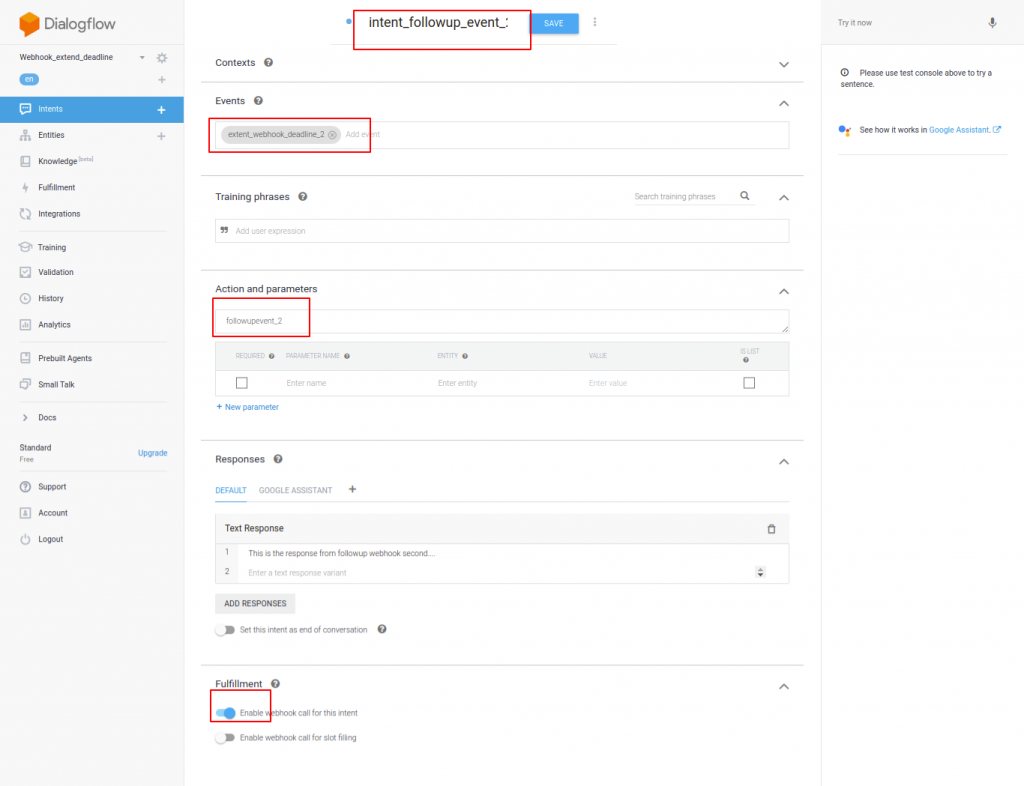
Create other intent for followup event number 2 by giving below details as shown in the screenshots.
Setup Ngrok and add Fulfillment to run webhook:
- Follow the steps to install ngrok.https://ngrok.com/download.
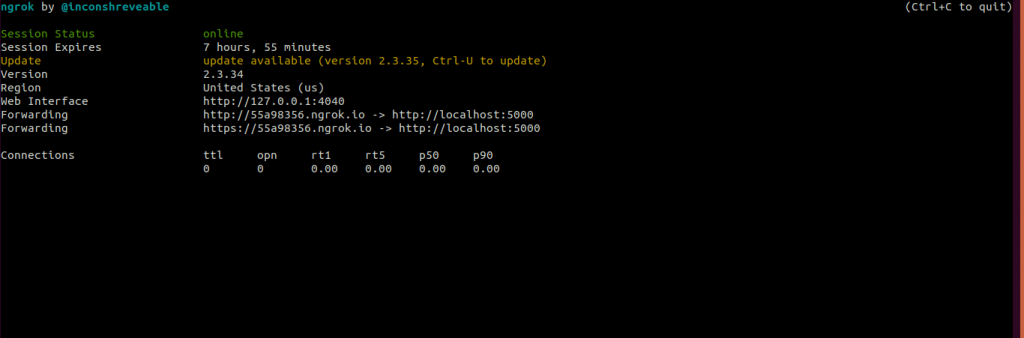
- Run below command to start ngrok and you can see the below screen:
./ngrok http 5000
Add Fulfillment in Dialogflow:
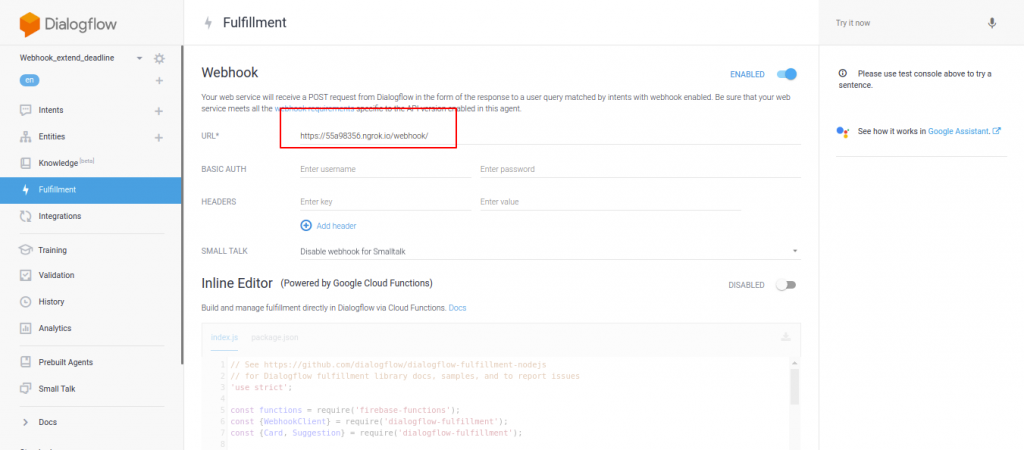
- In the DialogFlow left side menu click on the ‘Fulfillment’ then enable ‘Webhook’ from the main page of Fulfillment.
- Now add the URL with ‘/webhook/’ like https://55a98356.ngrok.io/webhook/ then save it. If you provide a URL without a webhook then you may get an error like “Webhook call failed. Error: 405 Method Not Allowed.”.
Testing in Dialogflow Simulator:
Now run the code snippet for extending the webhook deadline in the command terminal.
By testing in Simulator with ‘hi’ you will find the below screen for Dialogflow.
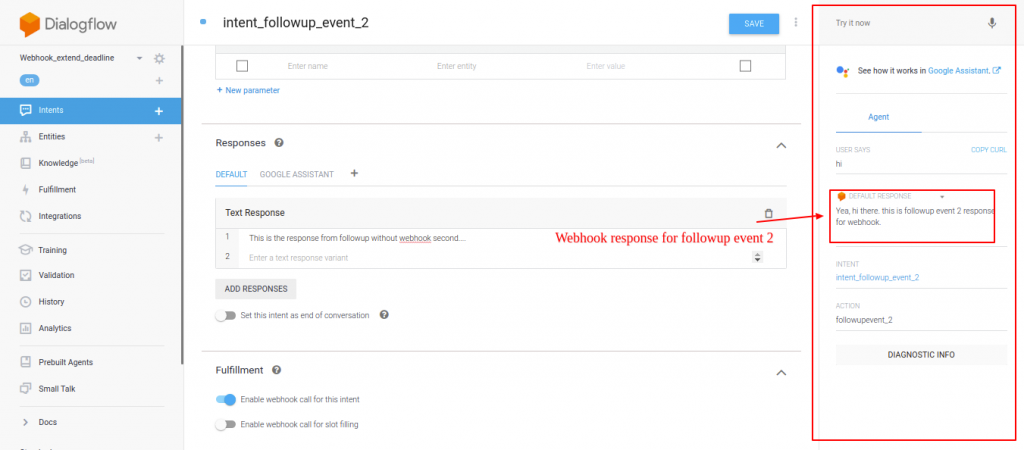
By clicking on “DIAGNOSTIC INFO” and in that “RAW API response” you will find accumulated webhook latency time near 13 seconds as shown in the below screen. Sometimes if latency time for webhook per intent is larger than 5 seconds then the output may not come from the webhook for the followup event.
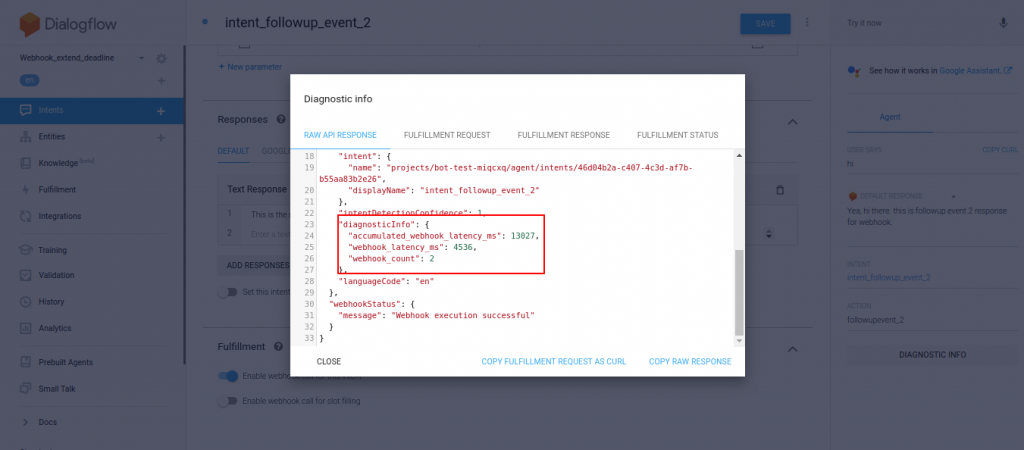
By using followup events we can extend the webhook deadline limit.
Don’t forget to give us your 👏 !
Dialogflow Tutorial: Increase webhook timeout limit of 5 seconds using Python was originally published in Chatbots Life on Medium, where people are continuing the conversation by highlighting and responding to this story.
-
10 Effective Chatbot Types To Look In 2021
Hey! I came across this article and found it very interesting, so whosoever is interested in #chatbots this article is for you. Check out: https://botsify.com/blog/chatbot-types/
submitted by /u/grayyyam
[link] [comments] -
has anybody made a chatbot that can play rts games
has anybody made a female chatbot that plays a rts game with you and increases the level of difficulty
if you beat it enough?
it can talk to you while it plays the game with you.
i think it would be very entertaining
submitted by /u/loopy_fun
[link] [comments] -
Real Estate Agent’s ChatBot
Has anyone here have seen really good chatbot for real estate agents website ? Or someone who build it
submitted by /u/Yapierre
[link] [comments] -
How You Can Evaluate Your Customer Service Chatbot For The Best Business Results
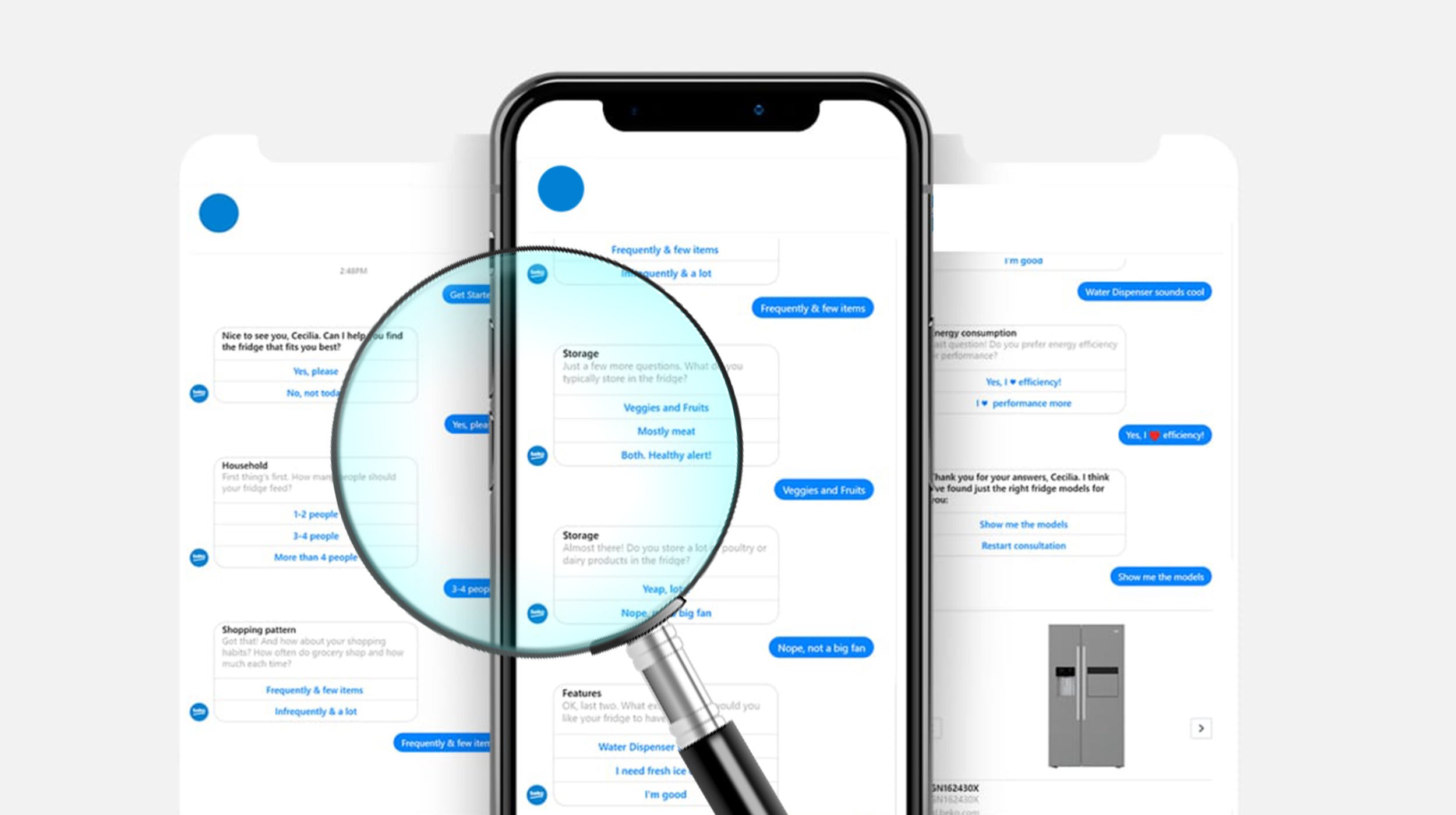
Regularly analyzing and measuring Key Performance Indicators can help you evaluate your customer service chatbot for superior performance.

